Look for a Leonardo da Vinci museum in Venice, a Jewish museum or a music museum and you’ll find three small places, independent of each other and often mixed up with something else. The Da Vinci Interactive Museum at San Rocco is for anyone who wants to get hands-on with Leonardo’s inventions. The Ghetto in Cannaregio, the first in the world to bear the name, is visited today with an app or a guide while its museum is closed for works. The Music Museum fills the church of San Maurizio, a stone’s throw from Santo Stefano, and takes half an hour.
None of the three belongs to the civic museums, so no MUVE pass covers them. Below you’ll find, for each, what’s there, what’s open, official prices next to Tiqets prices, and how to pair them with places nearby. Prices can change: double-check before you pay.
The three museums compared
| Da Vinci Interactive Museum | Ghetto and synagogues | Music Museum | |
|---|---|---|---|
| Where | Campo San Rocco, San Polo | Ghetto Nuovo, Cannaregio | San Maurizio, San Marco |
| Official price | not published (50% off online) | €12 with app, €15 guided | free entry, audio guide €5 |
| Tiqets | €9.86 | €16 with app, €20 guided | €7 with audio guide |
| Cheaper | to be checked | official | official |
| Time needed | about 1 hour | 45 minutes–1 hour | 30–45 minutes |
| Closed | 25 December | Saturdays, Jewish holidays | open daily |
| Best for | families, teenagers, science fans | anyone wanting to understand the city’s history | Vivaldi and violin-making enthusiasts |
Da Vinci Interactive Museum (San Rocco)
What you’ll see
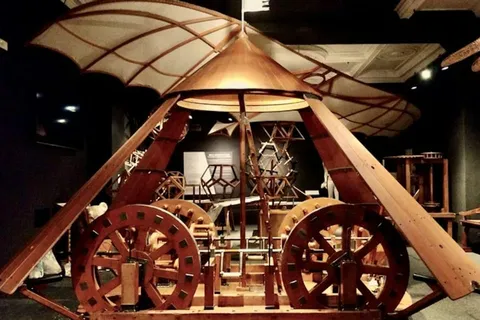
The museum covers about 500 m² in the Scuola Grande di San Rocco complex, in a hall with 17th-century furnishings and six canvases from the school of Tintoretto. It’s a museum of reconstructions, not originals: around fifty machines built from Leonardo’s codices, fifteen multimedia screens and about three hundred reproductions of codices and drawings. The machines can be touched and worked, which is what sets the museum apart from an ordinary display of models. One section is devoted to his anatomical studies. The website mentions a six-language audio guide as part of the visit.
For families with children aged roughly 8 to 14 it’s probably the most enjoyable indoor hour you can spend in Venice, especially on a rainy or acqua alta day. An adult who already knows Leonardo well, on the other hand, will find little that’s new.
Tickets
On Tiqets entry costs €9.86, rated 4.6 out of 5 from almost 300 reviews, and it’s non-refundable. The official website advertises 50% off online tickets but doesn’t state the full price, so we can’t tell you for sure which channel is cheaper: open both pages and compare for your date.
-
from €9.86 per person
Book on Tiqets
Hours and getting there
The museum is open every day except 25 December. The official website gives two different timetables in its Italian and English versions, 9:30–18:00 or 10:00–18:30: count on roughly 10:00–18:00 and arrive at least an hour before closing. The vaporetto stop is San Tomà (lines 1 and 2). From there it’s a five-minute walk, past the Frari.
Not to be confused with: the Machines of Leonardo at San Barnaba
In Campo San Barnaba, in Dorsoduro, there’s a separate exhibition, The Machines of Leonardo da Vinci, set up in the church of San Barnaba (Dorsoduro 2771). It has its own website (leonardoavenezia.com) and its own ticket: €9 full, €6 for children and over-65s, €5 for students. It’s all on the ground floor, with two small steps at the entrance, a few minutes from Ca’ Rezzonico. If you’ve booked either one, check the address on your ticket carefully.
Nearby
The Leonardo museum shares its square with the Scuola Grande di San Rocco, with more than sixty canvases by Tintoretto (€12, tickets on site only). A hundred metres away is the Frari basilica, with Titian’s Assumption (€8). A little further on is the Casa di Carlo Goldoni (€7). All of this is covered on the Frari, Salute and San Giorgio page and in the guide to churches in Venice.
The Ghetto and the Jewish Museum (Cannaregio)
What’s open now
The Jewish Museum of Venice is closed for a major renovation and expansion project, which also includes restoring some of the historic synagogues. The official ticket office, ghettovenezia.com, announces reopening in the autumn, with no precise date. So at the time of writing you can’t see the museum rooms, but you can visit the Ghetto and two synagogues in two ways:
- a self-guided visit with the app (in Italian, English, French, German and Spanish), which gets you into the synagogues that are open;
- a group guided tour, leaving every hour in Italian and English.
Which synagogues are open rotates with the works and the calendar: listings mention the Levantine, the Spanish or the Italian synagogue at different times. Don’t count on seeing any one in particular.
Tickets: official vs Tiqets
| Visit | Official (ghettovenezia.com) | Tiqets |
|---|---|---|
| Ghetto and synagogues with app | €12 full, €10 reduced | €16 |
| Group guided tour | €15 full, €13 reduced | €20 (about 45 minutes) |
| Private tour | €100 (2 synagogues) or €150 (3), plus €17 per person | — |
The official reduced rate applies from age 6, to students up to 26 and to some other categories. Children under 6, visitors with disabilities plus a companion and ICOM members go free. The official channel is €4–5 cheaper per person. The Tiqets products are non-refundable. They make sense if you’d like to book everything from one account, or if the official guided tour at your time is full.
Price list compared
Live prices from our partner feeds, cheapest first. Tap a button to open the listing.
| Platform | Price | Rating | Duration | Book |
|---|---|---|---|---|
| Tiqets Venice: Jewish Quarter + Synagogue Entry Ticket + Smartphone Audio Guide Best price | €16per person | ★ 3.822 reviews | — | Book on Tiqets |
| Tiqets Venice: Jewish Quarter Guided Tour with Synagogue Entry Ticket Top rated | €20per person | ★ 4.528 reviews | 45 min | Book on Tiqets |
-
from €16 per person
Book on Tiqets -
from €20 per person
Book on Tiqets
Hours
Visits run Sunday to Thursday, 10:00–18:00 (last entry 17:15) and Friday 9:00–17:00 (last entry 16:15). In winter, roughly November to April, Friday closing moves forward to 15:00 and last entry on other days is earlier. Closed on Saturdays, Jewish holidays, 1 January and 25 December. Fridays and the eves of holidays always close early: if you only have one afternoon, pick a day from Sunday to Thursday.
The Ghetto: what to know before you go
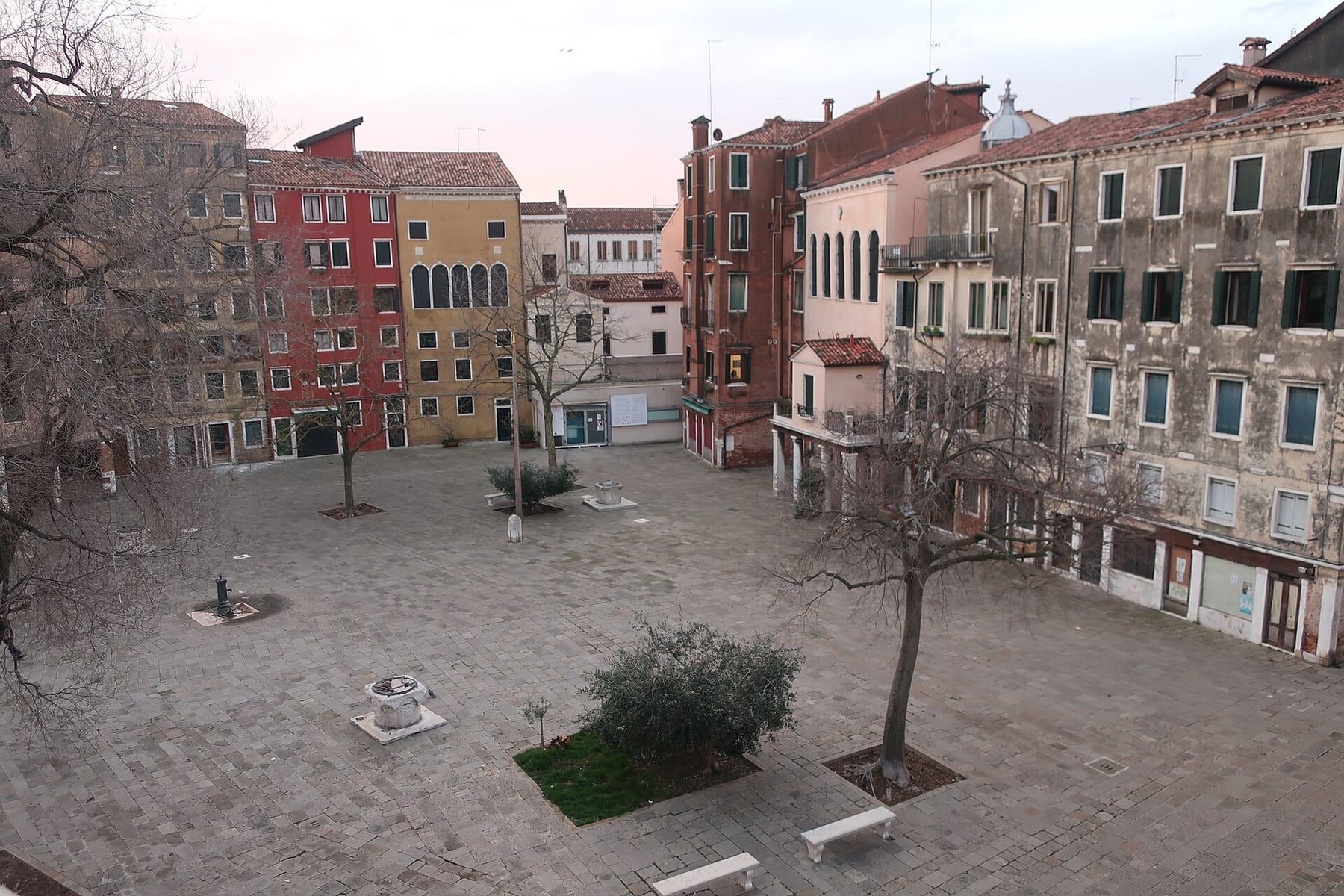
The Ghetto was created by a Senate decree of 29 March 1516, which required the city’s Jews to live on the island of the Ghetto Nuovo, locked at night by guarded gates. The name, according to the most widely accepted explanation, comes from getto, the copper foundry that stood here before. From Venice the word spread across the world. Space was scarce and the quarter could only grow upwards, which is why the houses around Campo del Ghetto Nuovo are unusually tall, with many low storeys stacked on top of each other. The historic synagogues, the scole, are tucked away on the upper floors and can be spotted from outside only by a few windows.
The neighbourhood is lived in, with a Jewish community still present, shops and restaurants, and you can walk through it freely on any day. For the synagogue visit, dress modestly and follow the guide’s instructions. For a longer walk, see the Cannaregio and the Ghetto page.
Getting there
The Ghetto is a few minutes’ walk from Santa Lucia station, along the Lista di Spagna and over the Guglie bridge. By vaporetto, get off at Guglie (lines 4.1, 4.2, 5.1, 5.2) or San Marcuola (line 1), then walk five to ten minutes.
Music Museum (San Maurizio)
What you’ll see
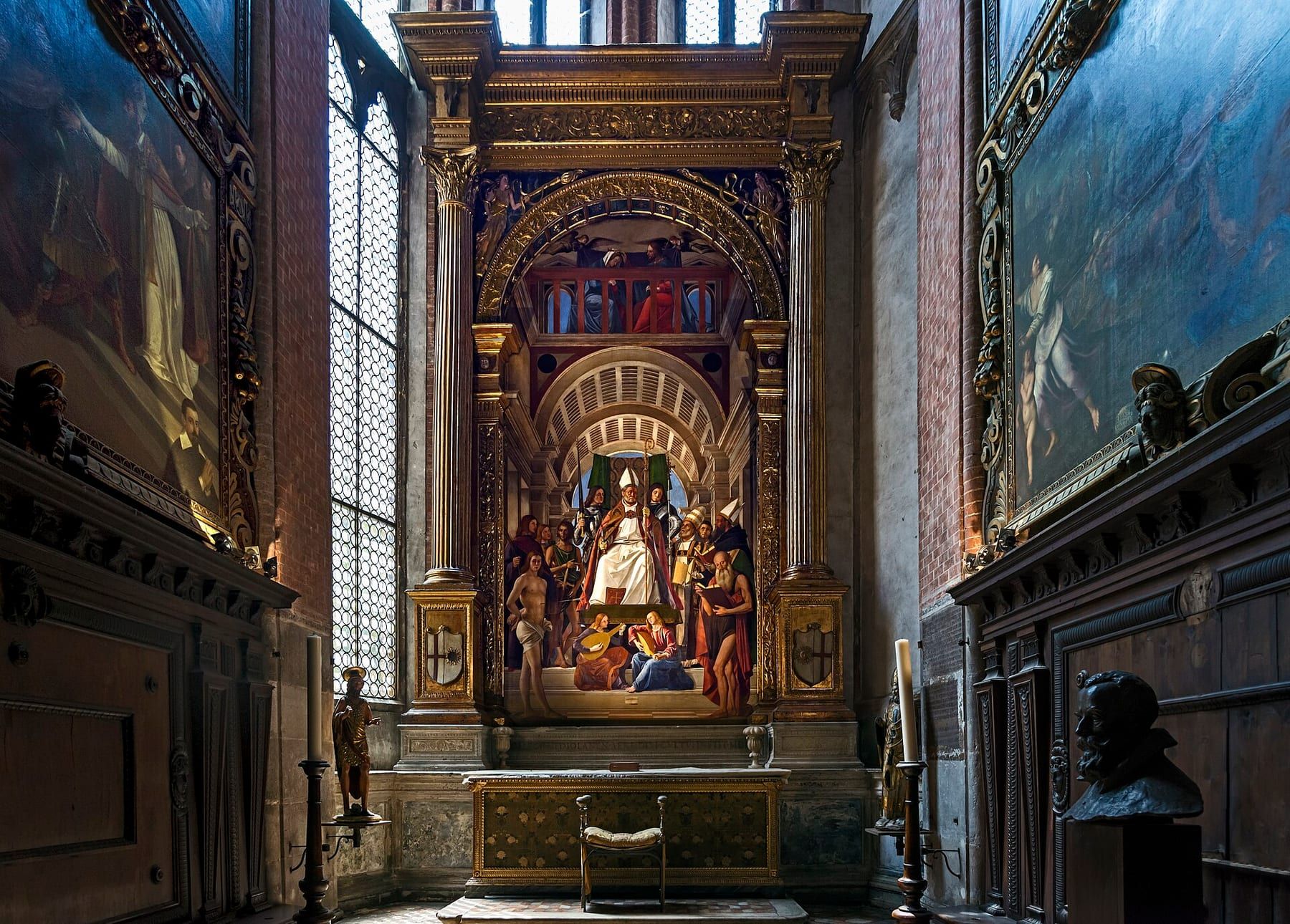
The Music Museum is set up in the church of San Maurizio, on the square of the same name between Santo Stefano and Santa Maria del Giglio. It displays the Artemio Versari Collection in the exhibition “Antonio Vivaldi and his time”: violins, violas, cellos and other instruments from the great age of 18th-century Italian violin-making. According to unofficial sources the collection counts around 150 instruments, including a double bass attributed to the Amati. The museum is run together with the Interpreti Veneziani orchestra, which according to its website plays almost every evening in the nearby church of San Vidal; concert tickets are also sold here.
It’s a short visit, thirty to forty-five minutes. Vivaldi lovers get more out of it with the audio guide; everyone else can simply step in to see the church interior on the way to the Accademia.
Tickets: better on the spot
The official website publishes only one price, the audio guide: €5, reduced €3. Several sources say entry is free, and the museum itself lists no admission ticket. On Tiqets the entry + audio guide package costs €7, with free cancellation, but it has very few reviews (5, averaging 3.8). In practice: walk straight in and, if you like, pick up the audio guide there. You save at least €2.
-
from €7 per person
Book on Tiqets
Hours and getting there
Open every day 10:00–13:00 and 14:30–19:30. The nearest stop is Santa Maria del Giglio (line 1). Alternatively, from the Accademia cross the bridge and Campo Santo Stefano: five minutes. In the same area you’ll find La Fenice and, in the evening, the baroque concerts described on the theatres and concerts page.
Which to choose if you’re short of time
- Travelling with children or teenagers: the Da Vinci Interactive Museum, paired with the Frari and San Rocco for the adults.
- Interested in Venetian history: the Ghetto with a guided tour. It’s the only one of the three that tells a story you can’t find anywhere else, and 45 minutes with a guide are worth more than the app visit.
- Love baroque music: the Music Museum by day and a Vivaldi concert at night.
- Only an hour to spare between St Mark’s and the Accademia: the Music Museum, because entry is reportedly free, it’s on the way and needs no booking.
For the city’s other museums, from the civic museums to the major art collections, see the guide to museums in Venice. If you still have time on your hands, there are more ideas among the things to do in Venice.
Frequently asked questions
Where is the Leonardo da Vinci museum in Venice?
The Da Vinci Interactive Museum is in Campo San Rocco, San Polo 3052, inside the Scuola Grande di San Rocco complex, about 100 metres from the Frari. The nearest vaporetto stop is San Tomà, lines 1 and 2.
How much is the Da Vinci museum in Venice?
On Tiqets entry costs €9.86 and is rated 4.6 out of 5 by almost 300 visitors. The official website advertises 50% off online tickets but doesn't show the full price, so compare before you buy.
Are the San Rocco museum and the Leonardo show at San Barnaba the same thing?
No. San Barnaba, in Dorsoduro, hosts a different exhibition, The Machines of Leonardo da Vinci, with its own ticket at €9 full and €6 for children, sold on leonardoavenezia.com.
Is the Jewish Museum of Venice open?
At the time of writing it is closed for a major renovation project, with reopening announced for the autumn. The Ghetto and two synagogues can still be visited with the app or on guided tours.
Should I book the Ghetto on Tiqets or on the official site?
The official site ghettovenezia.com is cheaper: €12 for the app visit and €15 for the guided tour, against €16 and €20 on Tiqets. Tiqets only makes sense if you'd rather manage everything from that account.
Is the Music Museum in Venice free?
Several sources describe entry to the church of San Maurizio as free, while the museum's own site only lists the audio guide, at €5 (reduced €3). The Tiqets package with audio guide costs €7.
Which of the three is best for children?
The Da Vinci Interactive Museum: around fifty machines can be touched and worked, and the visit takes about an hour. Children under 6 also go free at the Ghetto.
Can I visit the Ghetto on a Saturday?
Organised visits and the ticket office are closed on Saturdays and Jewish holidays, and close early on Fridays. The neighbourhood itself can always be walked through freely.