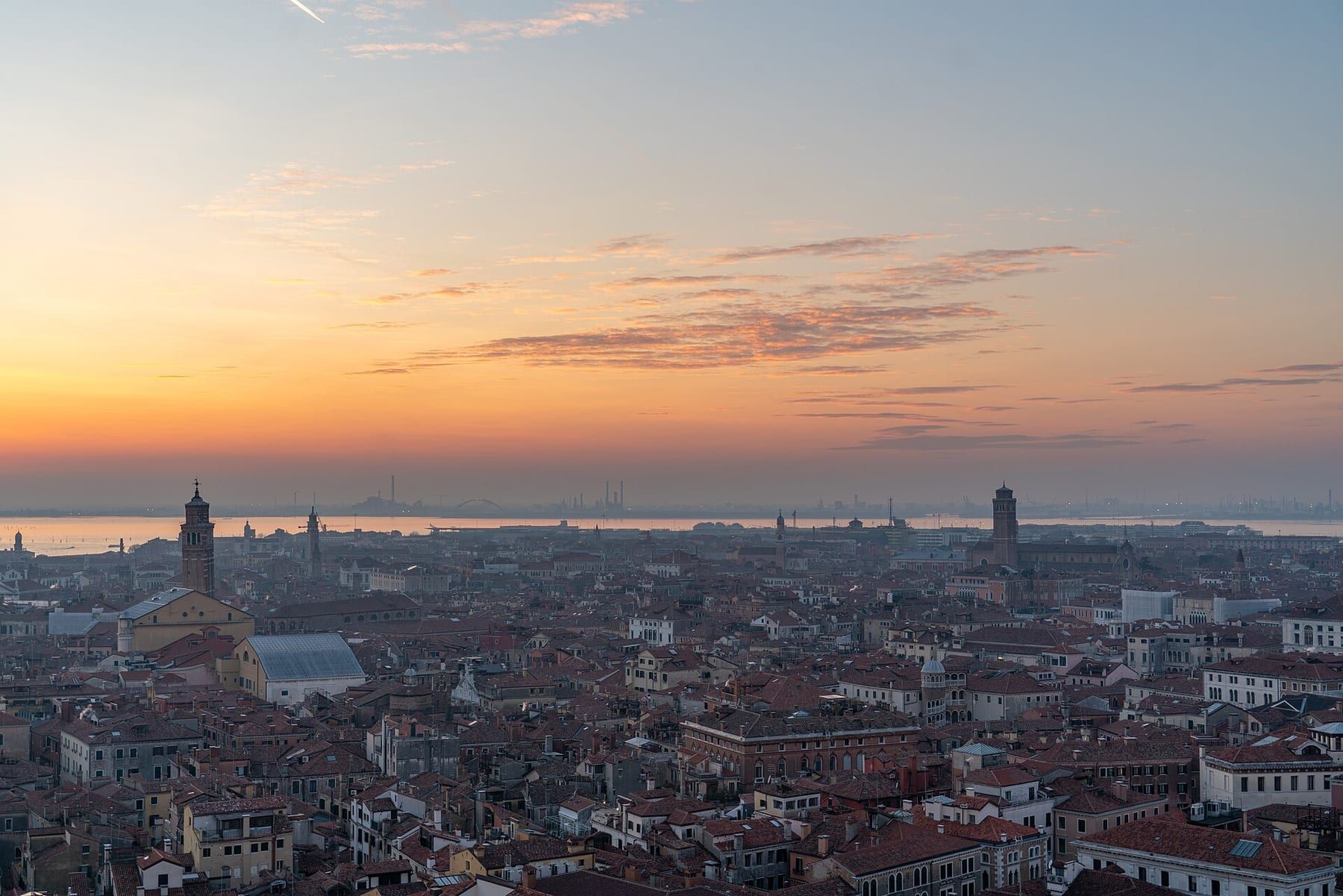
Venice isn’t divided into neighbourhoods but into sestieri: six parts, three on each side of the Grand Canal. San Marco, Cannaregio and Castello sit on the left bank, the side of the Piazza; San Polo, Santa Croce and Dorsoduro on the right bank, the side of Piazzale Roma. The division goes back to the Middle Ages and still shows every day: in addresses, in parishes, in the way Venetians say “I live in Castello” as if it were a village. By tradition, the six teeth on the prow iron of a gondola stand for the sestieri.
Knowing them helps you choose where to stay, plan your days by areas that sit next to each other, and find the best of the city away from the crowds at San Marco. This guide compares the six sestieri, plus Giudecca (administratively part of Dorsoduro) and Mestre, the mainland town where many travellers end up staying.
The sestieri side by side
| Area | Character | Don’t miss | For staying | Main vaporetto stops |
|---|---|---|---|---|
| San Marco | Monumental, crowded, luxury shops | Basilica, Doge’s Palace, Campanile, La Fenice | Close to everything, highest prices | San Marco Vallaresso, San Zaccaria, Rialto |
| Cannaregio | Lived-in and lively, canal-side bars | Ghetto, Madonna dell’Orto, Strada Nova | Handy from the station, wide price range | Ferrovia, Guglie, Ca’ d’Oro, Fondamente Nove |
| Castello | The largest: Arsenale and Biennale to the east, working-class calli | San Zaccaria, Santi Giovanni e Paolo, Arsenale, Giardini | Quiet in the east, luxury on the Riva degli Schiavoni | San Zaccaria, Arsenale, Giardini |
| Dorsoduro | Museums, university, sunsets on the Zattere | Accademia, Peggy Guggenheim, Salute, Ca’ Rezzonico | Elegant and calm, few large hotels | Accademia, Salute, Zattere, Ca’ Rezzonico |
| San Polo | Market, workshops, great churches | Rialto, Frari, Scuola Grande di San Rocco, Campo San Polo | Central, small rooms but well connected | Rialto Mercato, San Tomà, San Silvestro |
| Santa Croce | Gateway from Piazzale Roma, everyday Venice | Ca’ Pesaro, Palazzo Mocenigo, San Giacomo dell’Orio | Easiest with luggage | Piazzale Roma, San Stae, Riva de Biasio |
| Giudecca | Long island facing the Zattere, slow pace | Redentore, Zitelle, view of San Marco | Large hotels and flats at lower prices | Zitelle, Redentore, Palanca (line 2) |
| Mestre | Mainland, modern town | M9 Museum of the 20th Century, Forte Marghera | Cheapest; no Access Fee for overnight guests | Train to Santa Lucia, tram to Piazzale Roma |
Two points that prevent planning mistakes. First, many “Venice” sights sit in a different sestiere from the one you’d guess. Palazzo Grassi and the Scala Contarini del Bovolo are in San Marco, not San Polo; the Punta della Dogana is in Dorsoduro. Second, distances are short but the bridges are not. One kilometre as the crow flies can become twenty minutes and ten flights of steps.
San Marco: the monumental heart
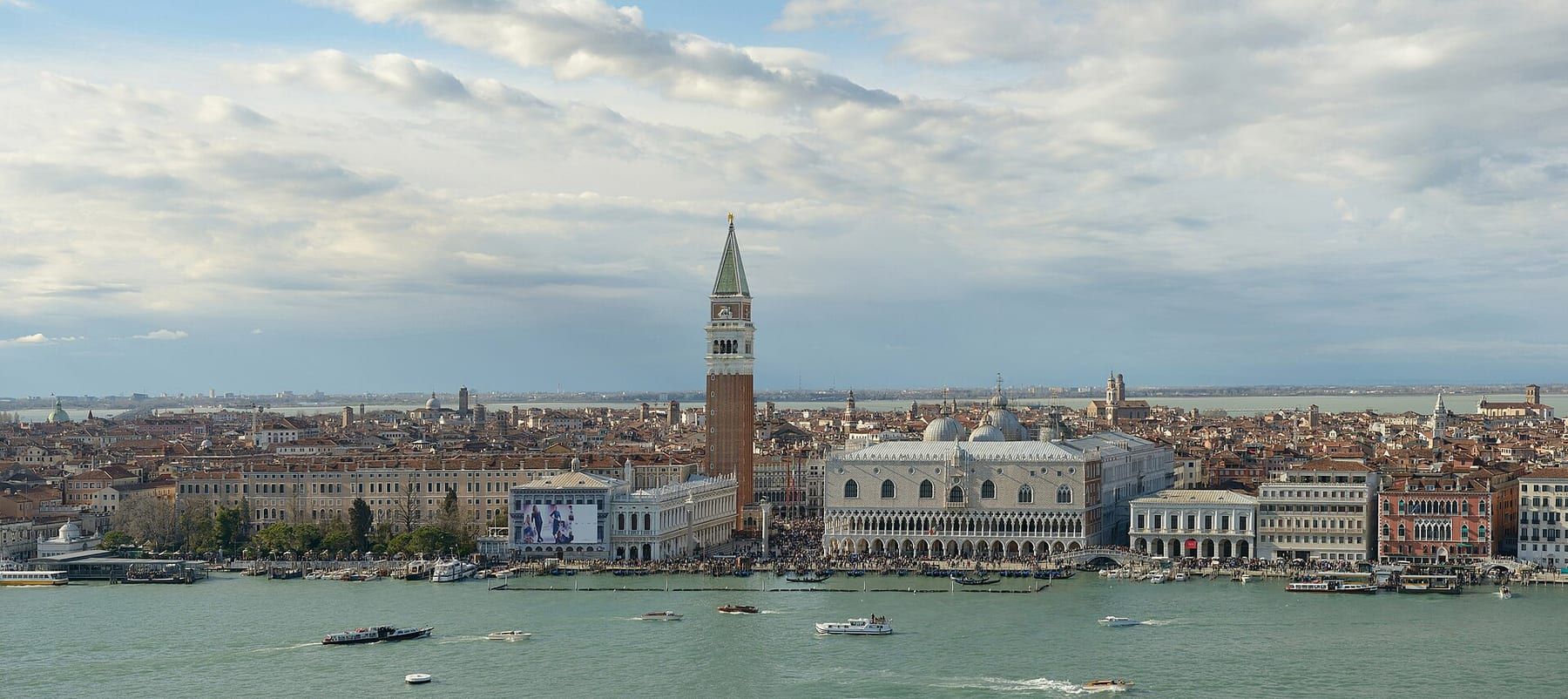
The smallest and most visited sestiere. Beyond St Mark’s Square with the Basilica, the Doge’s Palace and the Bridge of Sighs, it holds La Fenice, the Museo Correr, the Scala Contarini del Bovolo and Palazzo Grassi. The Mercerie and the shopping streets run from Rialto to Santo Stefano.
It is the most convenient and the most expensive place to stay; in the evening, once the groups have left, the alleys behind the Piazza fall quiet again. For eating, walk even two bridges towards Castello or San Polo: the tourist menus with photos are concentrated here.
Cannaregio: the Ghetto and the Venice people live in
From Santa Lucia station to the Fondamente Nove, Cannaregio is where most of the Venetians still living in the centre make their homes. The Strada Nova is its busy corridor towards Rialto; just to the north, along the parallel quaysides, the city turns slow and domestic. Here is the Ghetto, established in 1516, the first in the world and the one that gave its name to all the others, with synagogues you can visit on a guided tour. Here is the Madonna dell’Orto, Tintoretto’s church, where he is buried. The Ca’ d’Oro is currently closed for restoration. In the evening life moves to the Fondamenta della Misericordia and the Ormesini, among bàcari and spritz.
It is a practical base if you arrive by train, with the widest range of prices. Boats to Murano and Burano leave from the Fondamente Nove. Full details in the guide to Cannaregio and the Ghetto.
Castello: Arsenale, Biennale and working-class calli
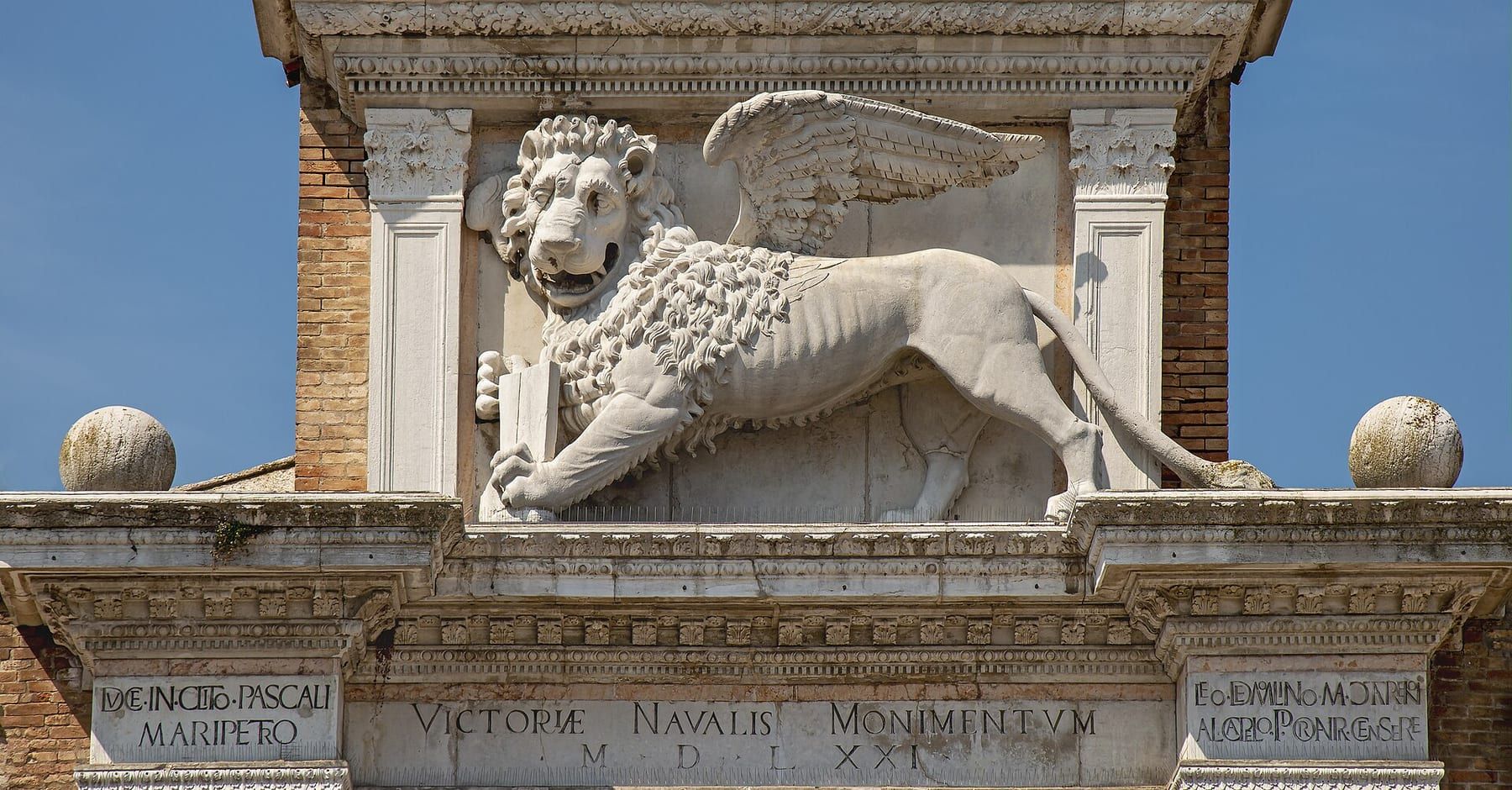
Widely described as the largest sestiere, Castello runs from the Basilica to Sant’Elena. Its western part is one of the richest in churches: San Zaccaria with Giovanni Bellini’s altarpiece and its often-flooded crypt, Santi Giovanni e Paolo with the tombs of the doges, Santa Maria Formosa. Further east you pass the Arsenale, the Republic’s shipyard, and reach the Giardini and the Biennale, which alternates Art and Architecture every year from May to November. Via Garibaldi, considered the widest street in the city, is the neighbourhood’s living room, with washing on the lines and bars where you hear Venetian dialect.
Some of the grand historic hotels line the Riva degli Schiavoni; further east you’ll find flats and small guesthouses, well away from the crowds. Everything is in the guide to Castello and San Polo.
Dorsoduro: the museum sestiere
Within a few hundred metres Dorsoduro lines up the Gallerie dell’Accademia (official ticket €20), the Peggy Guggenheim Collection (€17), the Pinault Collection’s Punta della Dogana, Ca’ Rezzonico and the Salute basilica. Its south front, the Zattere, is a long sunny promenade on the Giudecca Canal. Campo Santa Margherita is the square of the Ca’ Foscari students, busy until late. The squero di San Trovaso is one of the last yards where gondolas are built and repaired.
It is an elegant, quiet place to stay, with more flats than big hotels. Full guide: Dorsoduro.
San Polo and Santa Croce: Rialto, the Frari and the way in
San Polo is small and packed: the Rialto market with the Pescheria, the Frari basilica with Titian’s Assumption (official ticket €8), the Scuola Grande di San Rocco with Tintoretto’s cycle (€12, paid on site only) and Campo San Polo, usually described as the city’s largest campo. This is where the habit of cicchetti at the counter was born: the bàcari around the market open in the morning.
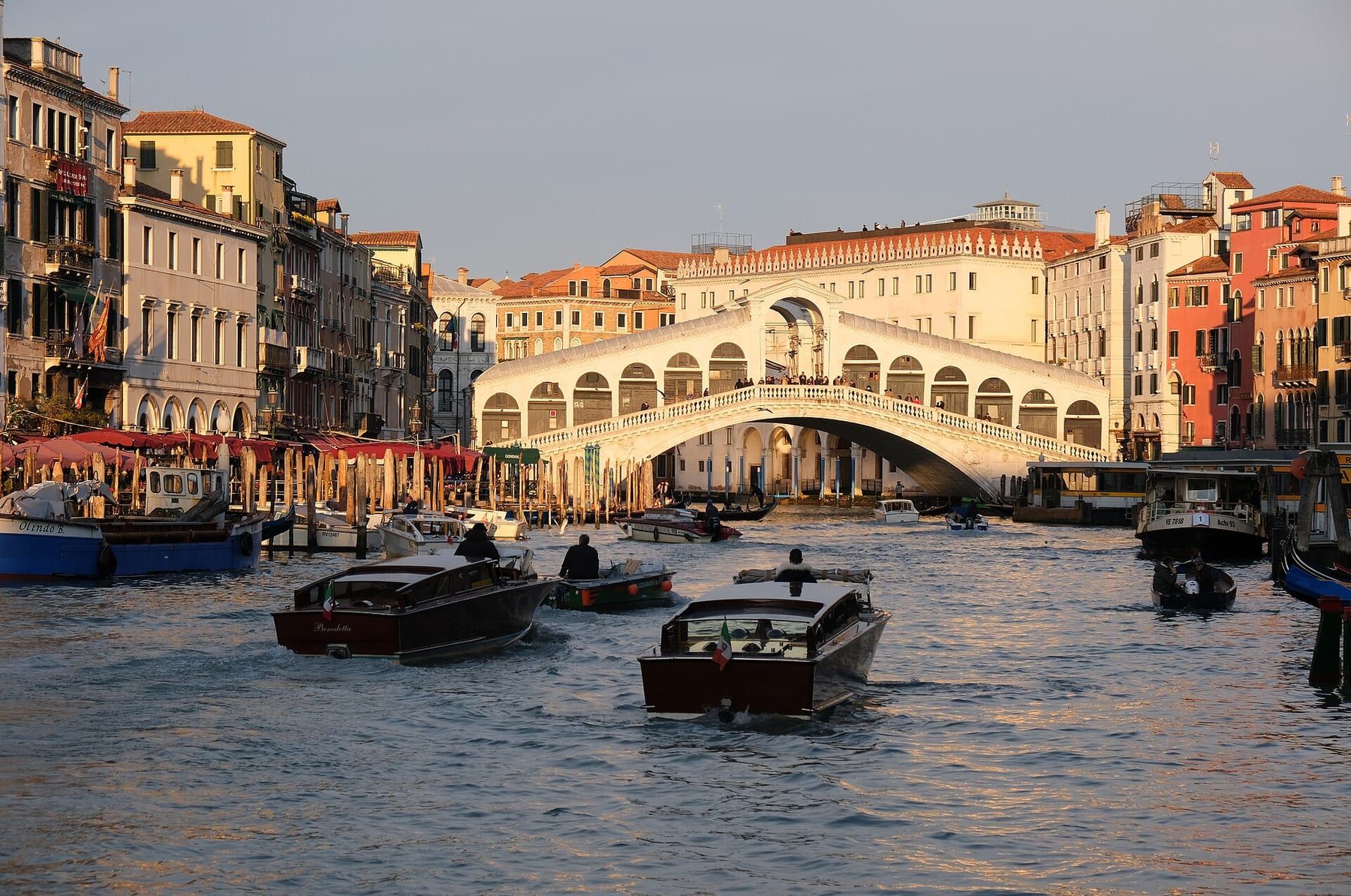
Santa Croce begins at Piazzale Roma, where buses, trams and taxis arrive, and quickly turns into an everyday neighbourhood. On the Grand Canal are Ca’ Pesaro (modern art and the Oriental Art Museum), Palazzo Mocenigo (textiles and perfume) and the Natural History Museum in the Fontego dei Turchi; inland, Campo San Giacomo dell’Orio is one of the residents’ favourite squares. If you arrive with heavy cases and want to avoid bridges, the most convenient hotels are here. Both sestieri are covered in the guide to Castello and San Polo; for the bridge and the canal, see Rialto and the Grand Canal.
Giudecca: the best view of Venice
Giudecca is a string of islands facing the Zattere, a few minutes away on line 2. It has Palladio’s Redentore, the focus of the Venetians’ best-loved festival on the weekend of the third Sunday in July, with fireworks on the Saturday night; the Zitelle; and the former Molino Stucky flour mill, now a hotel with a rooftop bar open to non-guests. From its quaysides the whole city lies in front of you. It is part of the historic city, so the Access Fee applies here too. Details on the Giudecca page.
Mestre: staying on the mainland
Mestre isn’t a sestiere, but it belongs to the City of Venice. Hotels around Venezia Mestre station are generally cheaper, the regional train reaches Santa Lucia in about 10 minutes, and the ACTV Venezia Daily Pass at €25 also covers regional trains within the municipality. Overnight guests in Mestre are exempt from the Access Fee (you still need to register the exemption). The sight to see is the M9 – Museum of the 20th Century (€12 on the official site). Everything is in the guide to Mestre.
How to choose where to stay
- First visit, a few days: San Marco or western Castello, so the Basilica and Doge’s Palace are minutes away. You pay for the convenience.
- Arriving by train or car with big cases: Cannaregio near the station or Santa Croce near Piazzale Roma. Check how many bridges lie between the stop and the hotel: with a trolley they make all the difference. The vaporetto carries up to 3 bags per person free, each up to 150 cm.
- Museums and peace: Dorsoduro, especially between the Accademia and the Zattere.
- Neighbourhood life and cicchetti: Cannaregio (Misericordia, Ormesini) or San Polo around Rialto and Campo San Polo.
- Budget: Giudecca to stay in the lagoon, Mestre to spend as little as possible.
To travel between distant sestieri, line 1 runs the full length of the Grand Canal and line 2 does it faster; the circular lines 4.1/4.2 and 5.1/5.2 loop around the city. Fares and passes are in the guide to the ACTV vaporetto. If you have luggage and want to arrive at the hotel door, water taxis are compared on taxi.venice.it.
Eating by sestiere: a quick guide
There is no “sestiere where you eat well”: there are streets to avoid. The highest prices and most uncertain quality are in the calli between Rialto and San Marco and on the most photographed canal fronts. The areas with the most bàcari used by Venetians are the Rialto market in San Polo (especially at lunch), the Misericordia and Ormesini in Cannaregio (in the evening), Campo Santa Margherita and the Zattere in Dorsoduro, and Via Garibaldi in Castello. Many bàcari close early and often on Sundays.
Practical tips
- Free churches: the Chorus churches, spread across every sestiere, are currently free to enter Monday–Saturday 10:30–17:00; you pay only for a few spaces inside, such as the San Zaccaria museum (€3.50). The Frari, by contrast, has its own ticket. All the churches are in the guide to Venice churches.
- Civic museums: if you visit several museums in different sestieri, compare the MUVE Museum Pass (€50) with single tickets; the options are explained on the passes page.
- Closing days: on Mondays the Accademia, Ca’ Pesaro, Palazzo Mocenigo and the Biennale close; on Tuesdays the Guggenheim, Ca’ Rezzonico and the Punta della Dogana. Plan your days by sestiere with this in mind.
- Acqua alta: San Marco is among the first areas to flood; northern Cannaregio and Dorsoduro usually less so. In the autumn months check the forecast before choosing your route.
Frequently asked questions
What are the six sestieri of Venice?
San Marco, Cannaregio, Castello, Dorsoduro, San Polo and Santa Croce. San Polo, Santa Croce and Dorsoduro lie on the right bank of the Grand Canal (the Piazzale Roma side), the other three on the left bank. Giudecca is administratively part of Dorsoduro.
Which is the best sestiere to stay in Venice?
It depends on what you want. San Marco is the most convenient for the sights but also the priciest and busiest; Cannaregio is handy if you arrive by train and has plenty of bars; eastern Castello and Dorsoduro are quieter; Santa Croce near Piazzale Roma suits heavy luggage. Mestre is cheaper and about 10 minutes away by train.
How do Venetian addresses work?
An official address is the sestiere name plus a house number that runs across the whole sestiere and can go above 5,000, for example San Polo 3052 for the Scuola Grande di San Rocco. Always ask for the name of the calle or campo too, because the number alone won't get you there.
Is Mestre part of Venice?
Yes. Mestre is on the mainland but belongs to the City of Venice. Guests staying anywhere in the municipality, Mestre included, don't pay the Access Fee, though they must register for the exemption. From the historic centre it is about 10 minutes by train, or take the tram to Piazzale Roma.
How long does it take to cross Venice on foot?
From Santa Lucia station to St Mark's Square is about 40–50 minutes on foot, over many stepped bridges. Rialto to San Marco takes about ten minutes, and the Punta della Dogana to Rialto about 20.
What is the largest campo in Venice?
St Mark's is the only piazza. Among the campi, Campo San Polo is usually described as the largest after the Piazza; in summer it often hosts events and open-air cinema.
Does the Access Fee apply in every sestiere?
Yes. On the days it is in force it covers the whole historic city, meaning the six sestieri plus Giudecca and San Giorgio, from 08:30 to 16:00. It does not apply to Mestre or to islands such as Murano, Burano and the Lido. The calendar is published on cda.ve.it.